"How long will it take me to learn Chinese?"
It's the first question every new learner asks, and the answers are all over the map. The U.S. Foreign Service Institute says 2,200 classroom hours. Language learning forums say "years." Your friend who lived in Beijing says "it depends."
They're all right — and all wrong. Because the answer depends entirely on what you mean by "learn Chinese."
Defining What "Learning Chinese" Means
Let's break "learning Chinese" into concrete milestones:
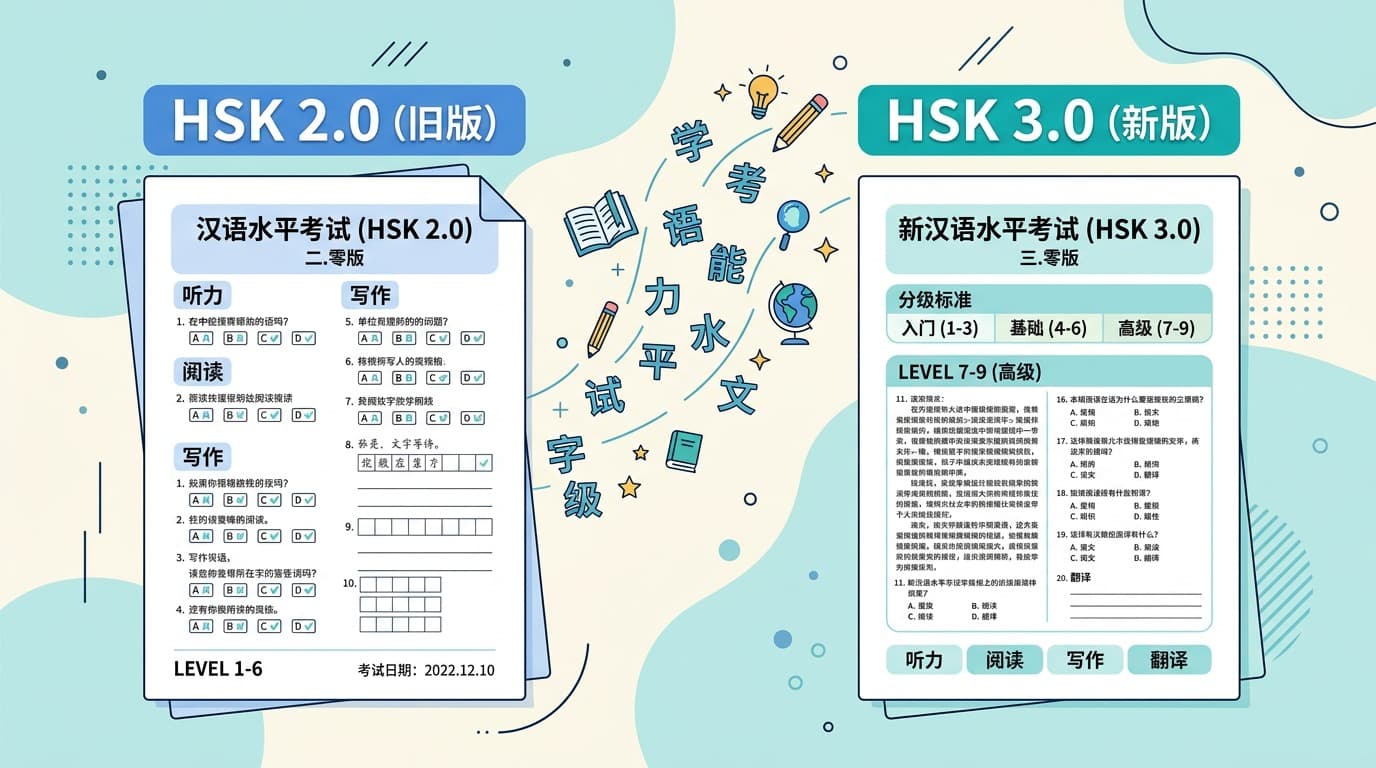
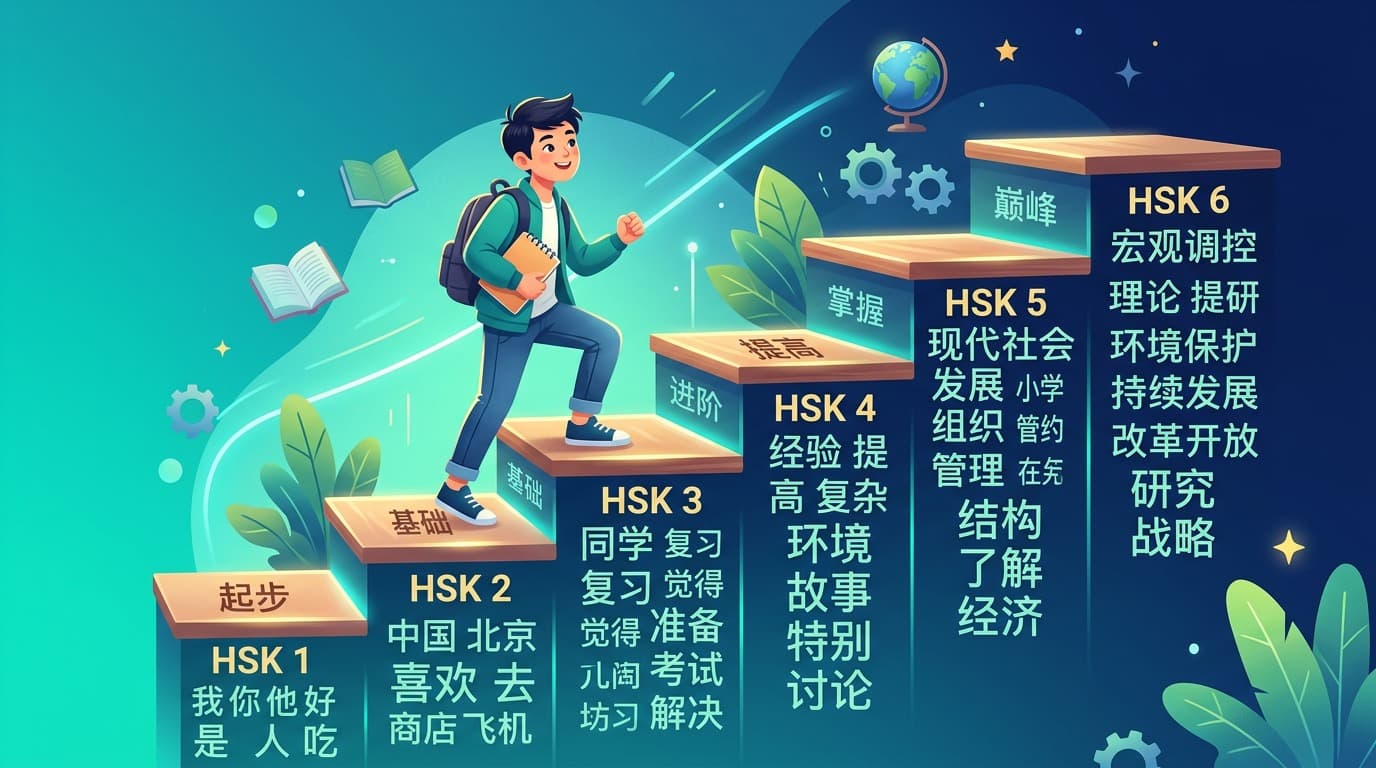
Level 1: Survival Chinese (HSK 1) - Order food, take a taxi, introduce yourself - ~300 words, basic sentence patterns - Timeline: 2-4 months at 30 min/day
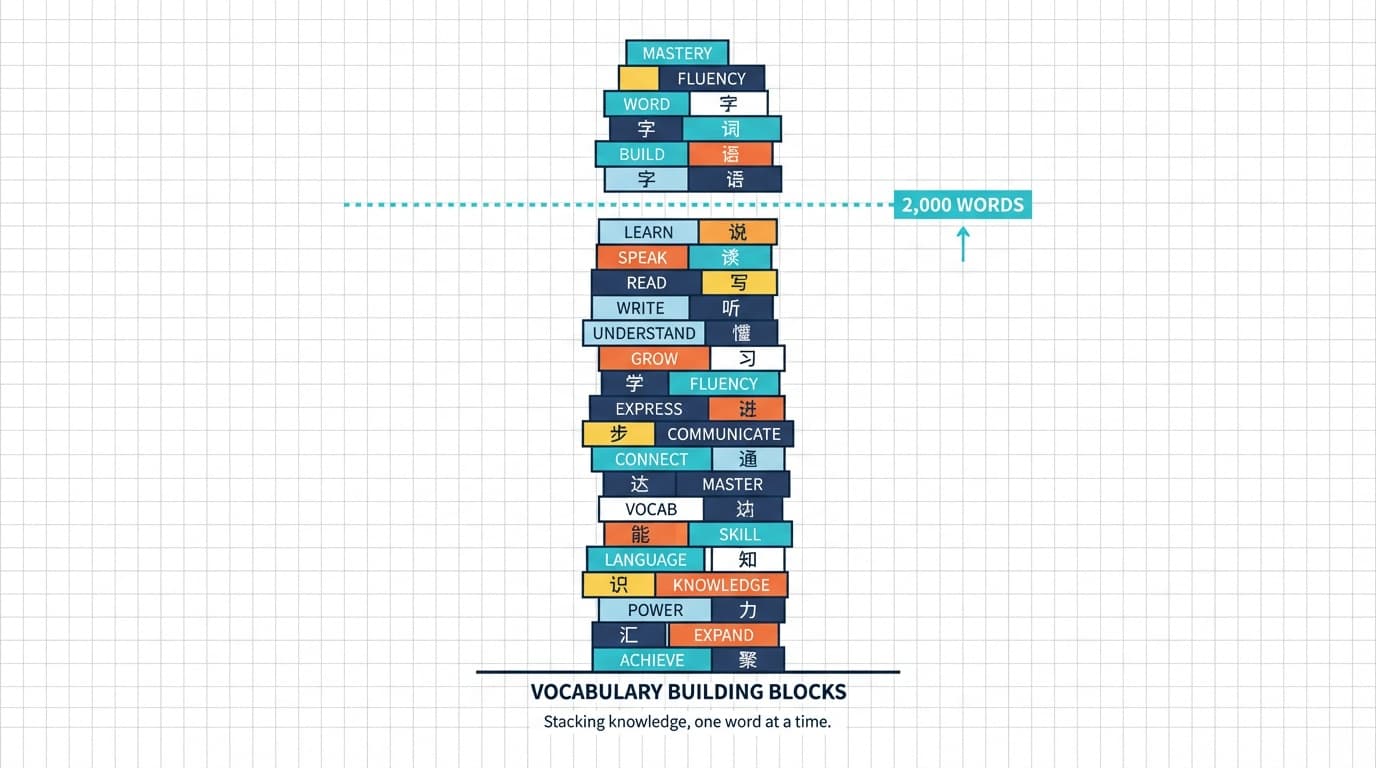
Level 2: Basic Conversation (HSK 2-3) - Talk about your life, hobbies, plans - Understand simple TV shows with subtitles - ~1,000-1,500 words - Timeline: 4-8 months at 30 min/day
Level 3: Independent Communication (HSK 4) - Express opinions, discuss current events - Read simple articles and messages - ~2,500 words - Timeline: 10-16 months at 30 min/day
Level 4: Professional Proficiency (HSK 5) - Work in a Chinese-speaking environment - Read newspapers, write formal emails - ~4,000+ words - Timeline: 18-30 months at 30 min/day
Level 5: Near-Native Fluency (HSK 6+) - Read literature, understand idioms in context - Debate, negotiate, write academically - ~6,000+ words - Timeline: 3-5 years of consistent study
These timelines assume effective study — not just any study.
The FSI Number: 2,200 Hours in Context
The Foreign Service Institute's estimate of 2,200 classroom hours for "professional working proficiency" in Chinese is often cited. But context matters:
What FSI means by "professional working proficiency": You can participate in most formal and informal conversations, read most texts, and write clearly on a wide range of topics. This is roughly HSK 5-6 level.
What FSI classes look like: 6 hours of intensive classroom instruction per day, plus 2-3 hours of homework, with native-speaker teachers and full immersion exercises.
What this means for self-study: If you're studying 30 minutes a day on your own, 2,200 hours translates to roughly 12 years. But you don't need 2,200 hours for useful Chinese — that's the professional proficiency ceiling.
For practical conversation (HSK 3-4 level), most learners need 400-600 hours of effective study. At 30 minutes daily, that's 2-3 years. At 1 hour daily, it's 1-1.5 years.
Why Method Matters More Than Time
Two learners can study for the same number of hours and end up at completely different levels. The difference is almost always method:
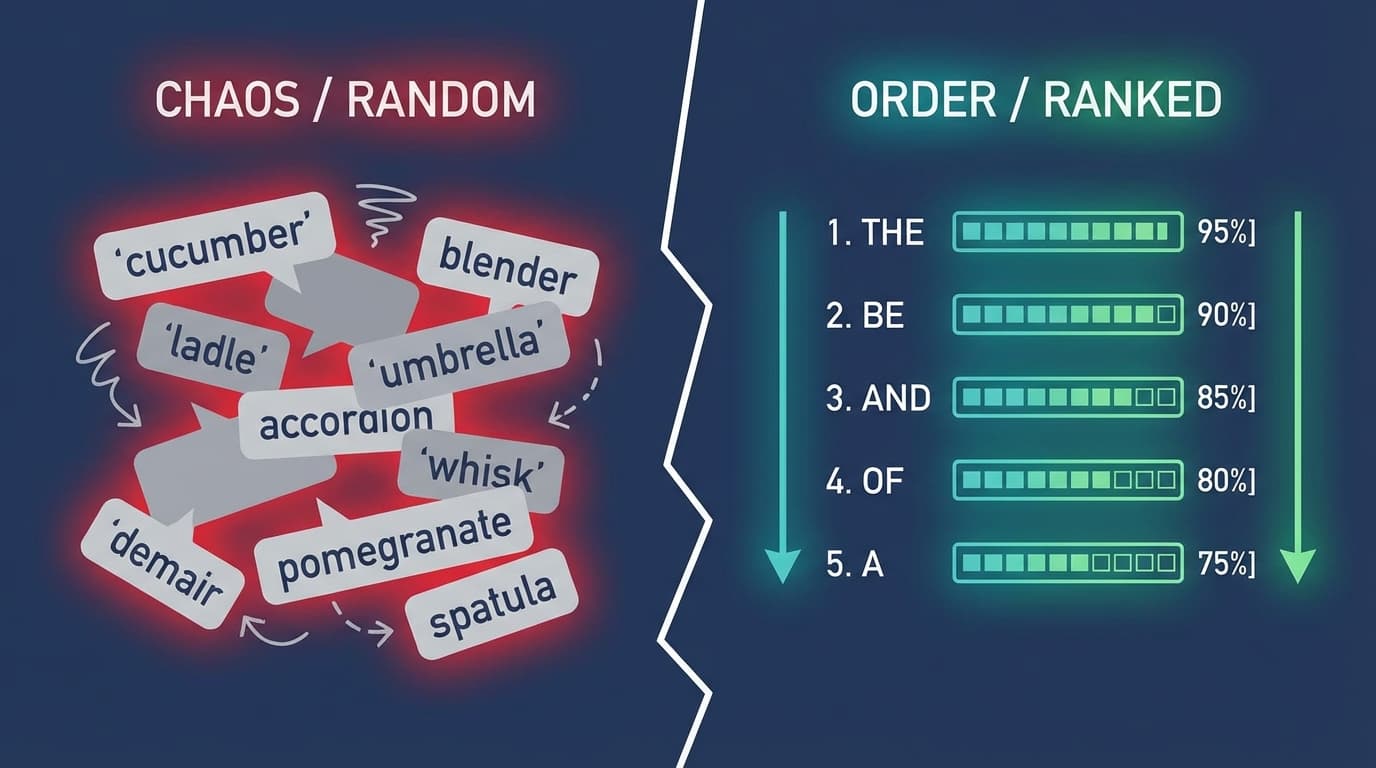
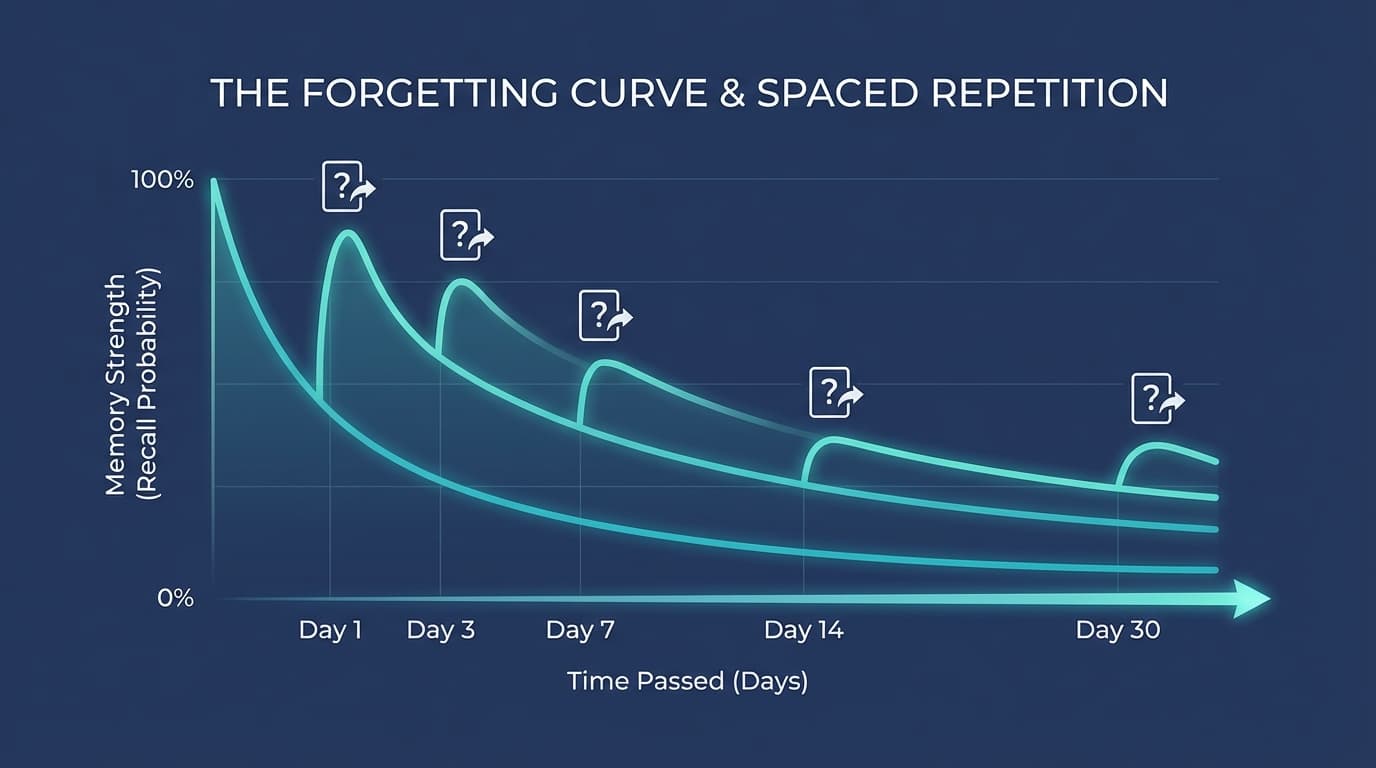
Inefficient approaches: - Learning words by theme (airport, kitchen, animals) instead of frequency - Cramming vocabulary without spaced repetition - Studying grammar rules without seeing them in context - Passive listening without active recall
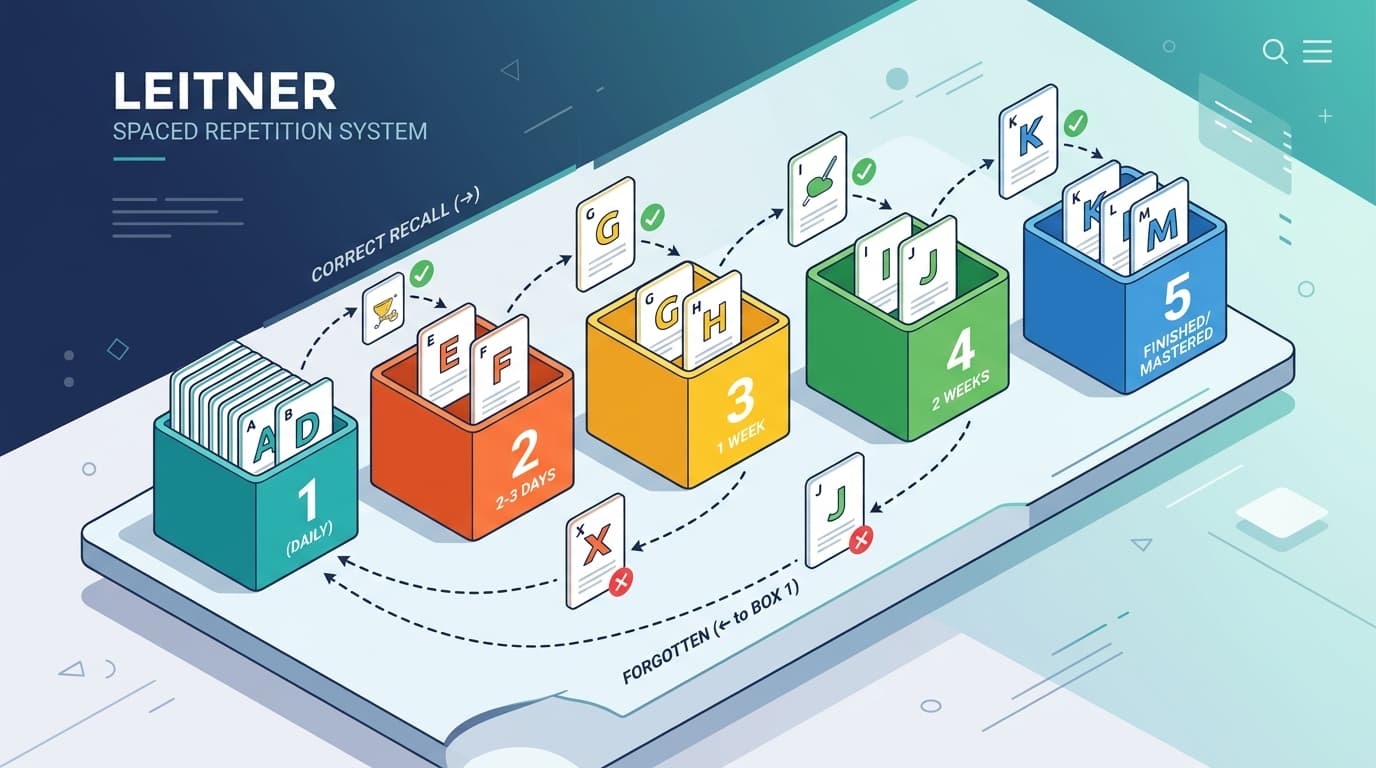
Efficient approaches: - Learning the most frequent words first (frequency-based curriculum) - Using spaced repetition (Leitner system) to maximize retention - Reading and listening to content matched to your level - Active practice: speaking, writing, recalling — not just reviewing
The difference is dramatic. A learner using frequency-ordered vocabulary with spaced repetition can cover in 6 months what a traditional learner covers in 12-18 months.
The Role of Characters
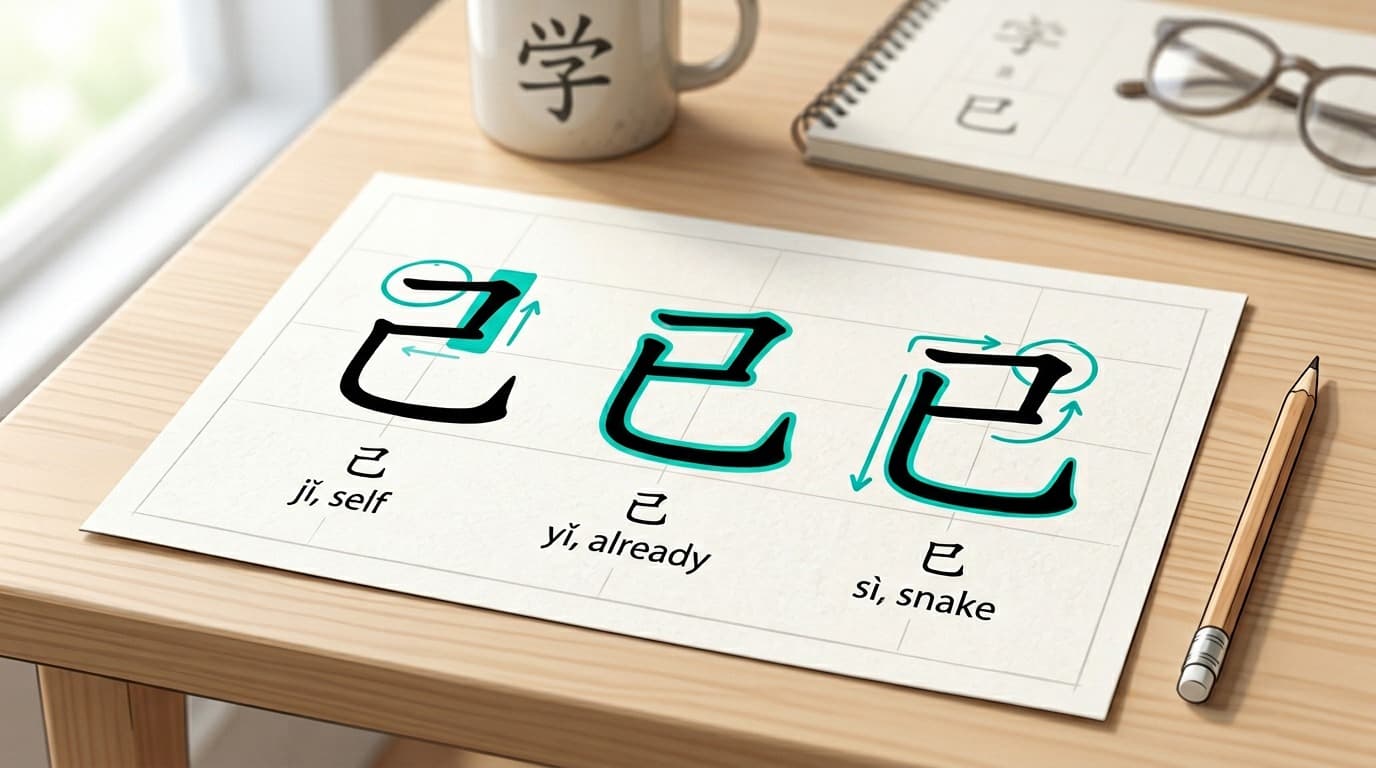
Characters add a significant challenge that doesn't exist when learning European languages. You're essentially learning two systems simultaneously: 1. The spoken language (vocabulary, grammar, tones) 2. The writing system (characters, stroke order, radicals)
The good news: Characters aren't random. They contain patterns — radicals that hint at meaning, phonetic components that hint at pronunciation. Once you learn ~500 characters, new characters become increasingly predictable.
The practical approach: Learn characters through words, not in isolation. When you learn the word 学习 (xué xí, to study), you learn the characters 学 and 习 in context. This is faster and more durable than memorizing characters from a list.
How to Estimate Your Personal Timeline
Here's a realistic formula:
- 1.Pick your target level (survival, conversation, professional)
- 2.Estimate your daily time (15 min, 30 min, 1 hour, 2 hours)
- 3.Account for your method (efficient = 1x, average = 1.5x, inefficient = 2.5x)
| Target | Hours Needed | At 30 min/day | At 1 hour/day |
|---|---|---|---|
| Basic conversation | 200-400 | 14-27 months | 7-13 months |
| Independent communication | 400-600 | 27-40 months | 13-20 months |
| Professional proficiency | 1,000-1,500 | 5-8 years | 3-4 years |
These assume efficient study methods. With frequency-based learning, spaced repetition, and graded content, you'll be at the lower end. With random textbooks and no review system, multiply by 2.
The Most Important Factor: Consistency
More important than daily study length is consistency. Research consistently shows that 30 minutes every day produces better results than 3.5 hours every Sunday.
This is because of how memory consolidation works: your brain needs sleep cycles between study sessions to transfer information from short-term to long-term memory. Cramming denies your brain this critical processing time.
The practical takeaway: 30 minutes of focused, daily study with a good system will get you to conversational Chinese in about a year. That's not a marketing claim — it's what the research supports.
Start Where You Are
Whether your goal is ordering food in Mandarin or reading Chinese literature, the path starts with the same step: learn the most common words first, practice them daily, and let compound growth do its work.
Every word you learn today makes tomorrow's words easier to learn.
References: - Foreign Service Institute (2024). Language Difficulty Rankings. - Nation, I.S.P. (2006). How Large a Vocabulary is Needed for Reading and Listening? - SUBTLEX-CH: Chinese Word and Character Frequencies Based on Film Subtitles.