If you've been studying Chinese for any length of time, you've probably heard of the HSK — China's official standardized test for Chinese language proficiency. But in 2021, things changed dramatically.
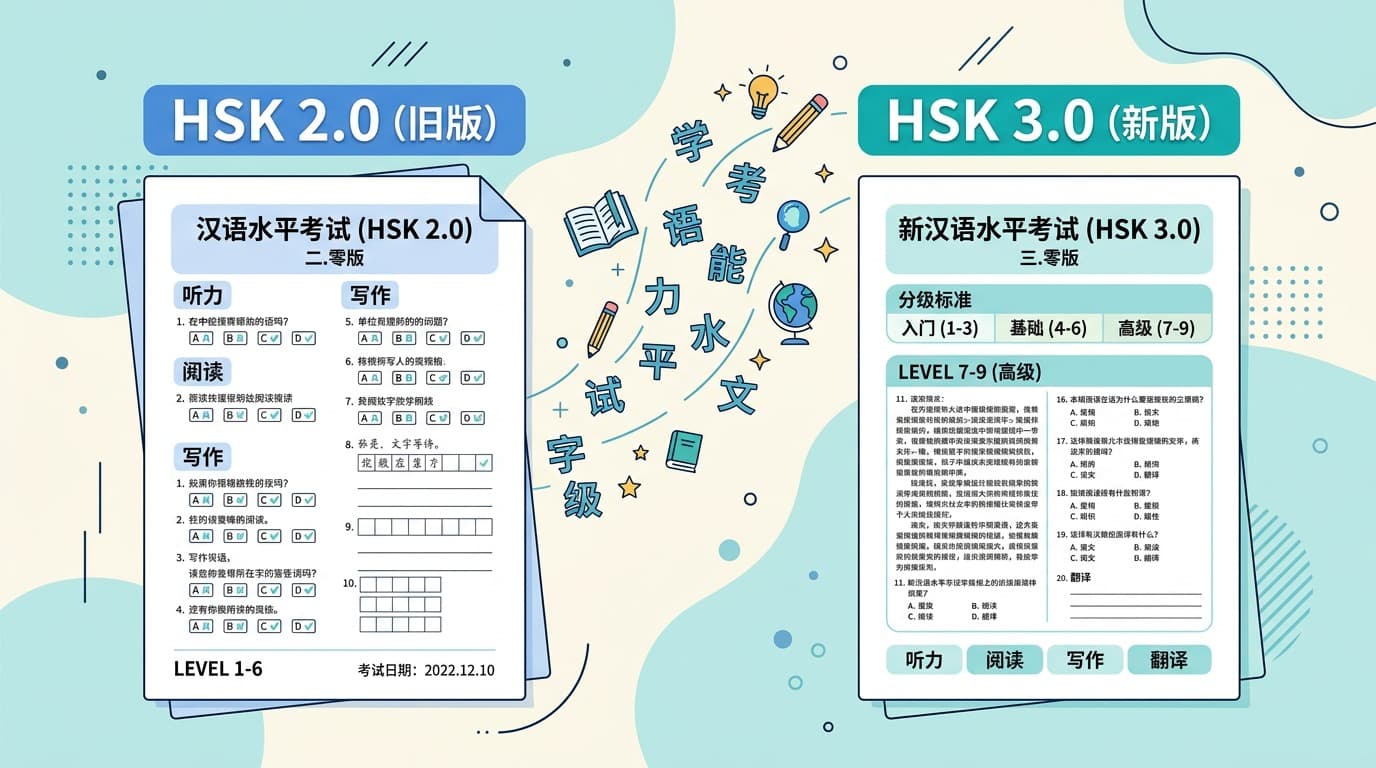
The Chinese government announced a complete overhaul: HSK 3.0 replaced the old HSK 2.0 system with more levels, more vocabulary, and higher standards at every stage.
For learners, this raises a critical question: which version should you study for? Let's break it down.
The Old System: HSK 2.0
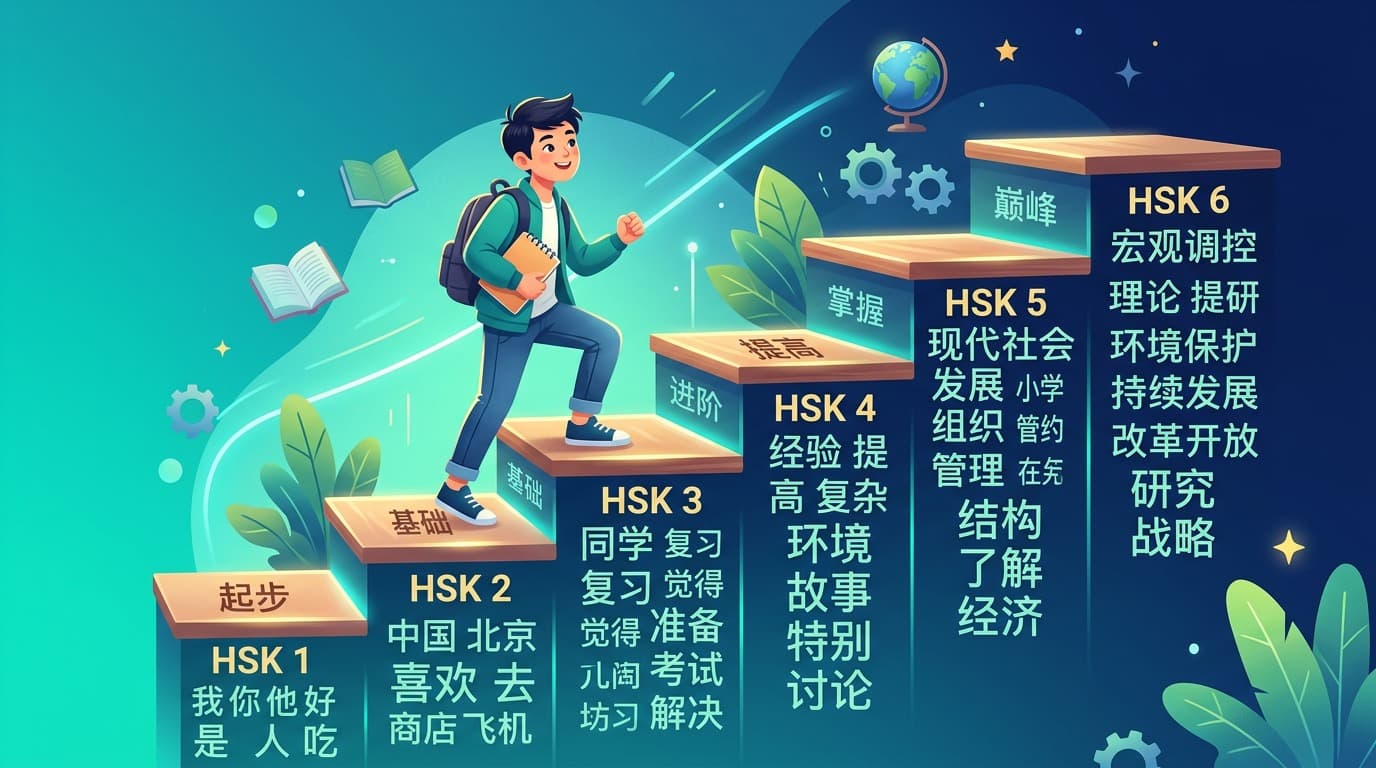
HSK 2.0 was straightforward — six levels, roughly 5,000 words total:
| HSK 1 | 150 words |
| HSK 2 | 300 words (cumulative) |
| HSK 3 | 600 words |
| HSK 4 | 1,200 words |
| HSK 5 | 2,500 words |
| HSK 6 | 5,000+ words |
This system was widely adopted. Universities used it for admissions, employers used it for hiring, and millions of learners worldwide structured their studies around it.
The problem? HSK 6 was supposed to indicate "advanced" proficiency, but many native speakers felt it didn't come close. A student could pass HSK 6 and still struggle to read a Chinese newspaper or follow a heated discussion.
The New System: HSK 3.0
HSK 3.0 expanded from 6 to 9 bands, with dramatically increased vocabulary requirements:
| HSK 1 | 300 words |
| HSK 2 | 600 words (cumulative) |
| HSK 3 | 1,200 words |
| HSK 4 | 2,400 words |
| HSK 5 | 4,316 words |
| HSK 6 | 6,395 words |
| HSK 7-9 | 11,092 words |
The jump is significant. Old HSK 4 (1,200 words) is roughly equivalent to new HSK 3 (1,200 words). If you passed HSK 4 under the old system, you're approximately at HSK 3 level under the new one.
Key Differences at a Glance
1. Word counts roughly doubled per level. Old HSK 1 had 150 words; new HSK 1 has 300. Old HSK 6 had ~5,000; new HSK 6 has ~6,400.
2. Three new advanced levels (7-9). These test truly advanced proficiency — academic writing, classical Chinese references, and professional communication. They're combined into a single exam with a graduated score.
3. Character requirements added. HSK 3.0 explicitly tests individual character knowledge alongside vocabulary. You need to know both the word 学习 (study) AND the characters 学 and 习 independently.
4. Syllable requirements added. The new system also tracks syllable mastery — how many distinct sounds you can produce and distinguish.
5. Grammar points formalized. HSK 3.0 includes specific grammar patterns required at each level, which were more loosely defined before.
Which Version Should You Study For?
Here's the practical reality in 2026:
If you need certification now: Many institutions still accept HSK 2.0 scores. Check with your specific university or employer. If they accept 2.0, it's easier to pass since the word counts are lower.
If you're planning ahead: HSK 3.0 is the future. China is transitioning all official recognition to the new system. Starting your studies aligned with 3.0 saves you from re-learning later.
If you're self-studying: Don't worry about which version. Focus on learning Chinese well. A solid vocabulary built by frequency will cover both systems naturally.
How Insperium Handles Both
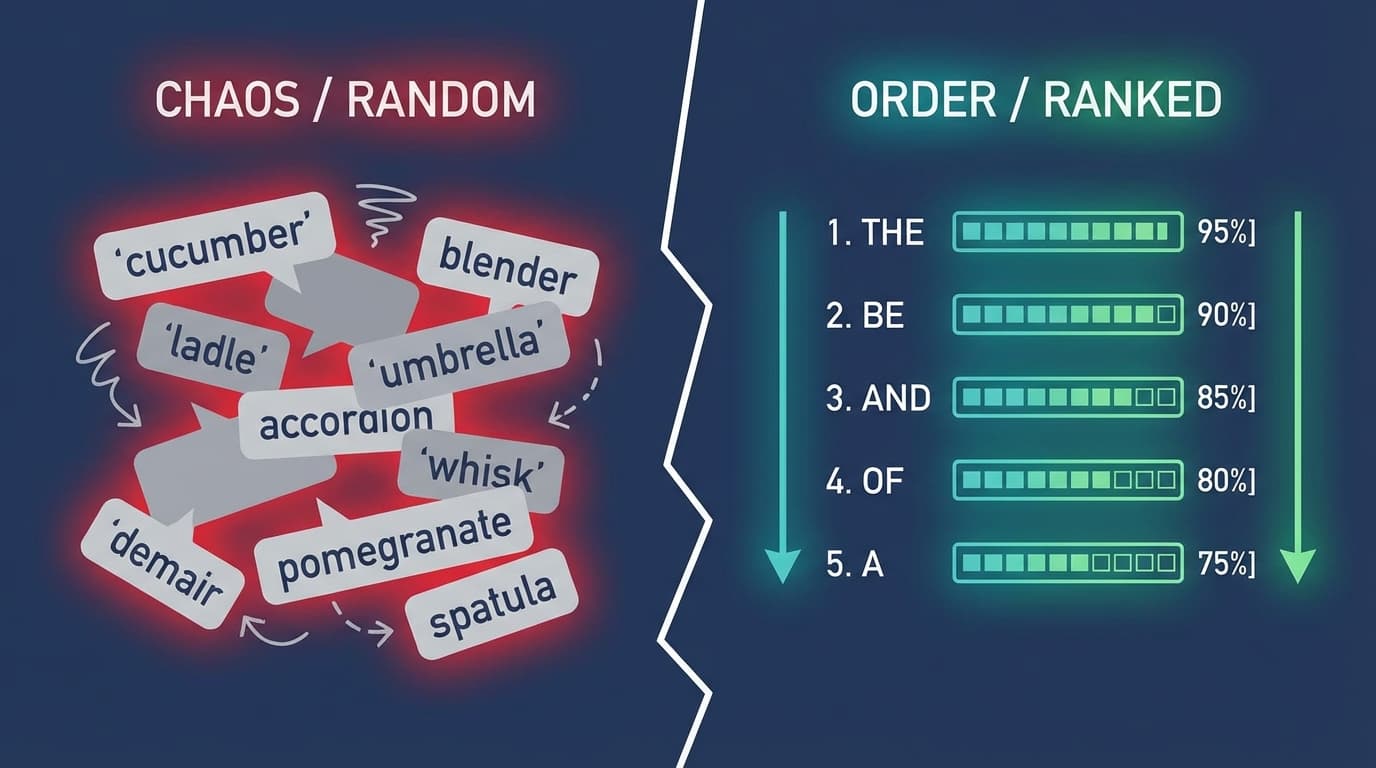
Insperium tracks your readiness for both HSK 2.0 and HSK 3.0 simultaneously. Because our curriculum is frequency-based (not HSK-ordered), you naturally learn the most common words first — and those words overlap heavily with HSK vocabulary at every level.
The HSK overlay on your Study Coach dashboard shows: - Your coverage percentage for each HSK level - Which specific words you're missing - A button to inject those gap words into your study plan
You learn efficiently by frequency, and get exam-ready as a natural side effect.
The Bottom Line
HSK 3.0 is harder, more comprehensive, and better aligned with real Chinese proficiency. But don't let the bigger numbers intimidate you. The core vocabulary is still the same — high-frequency words that appear in daily life.
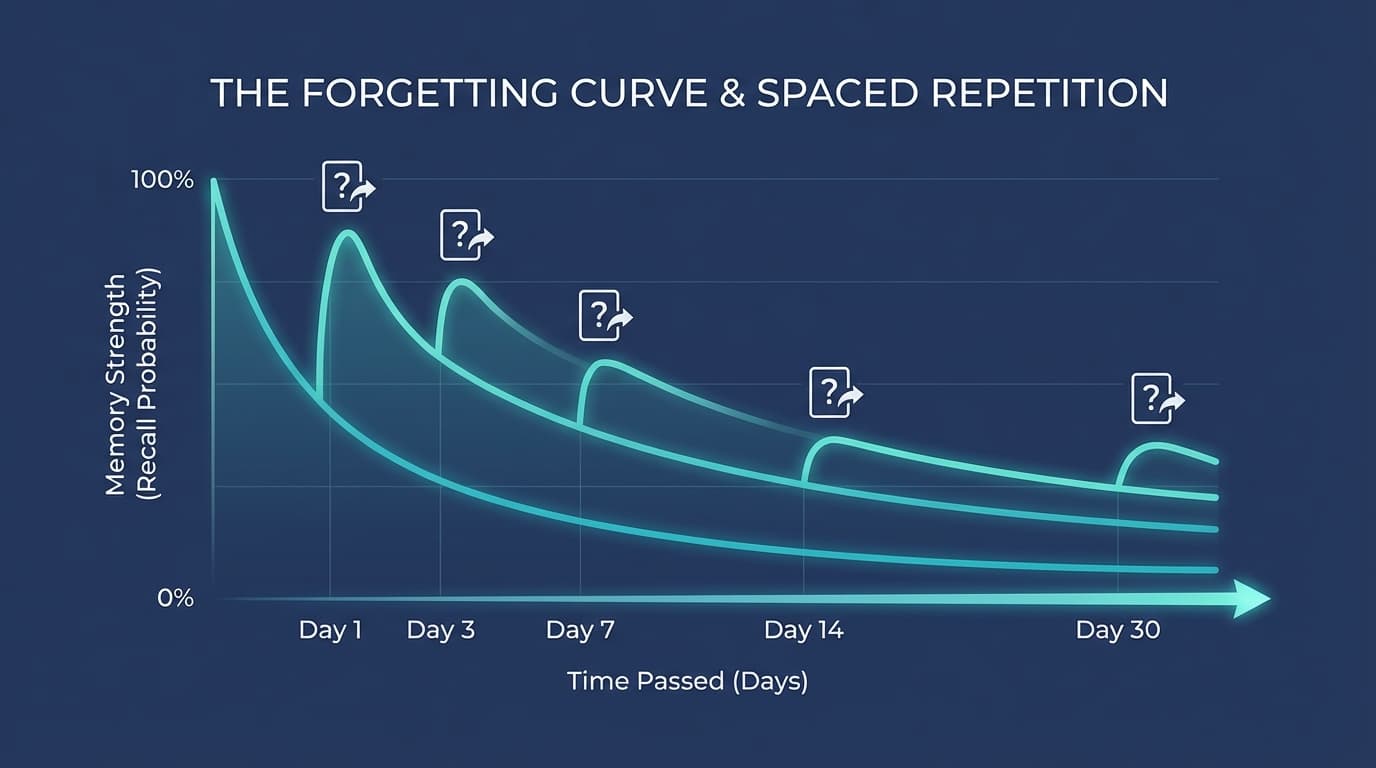
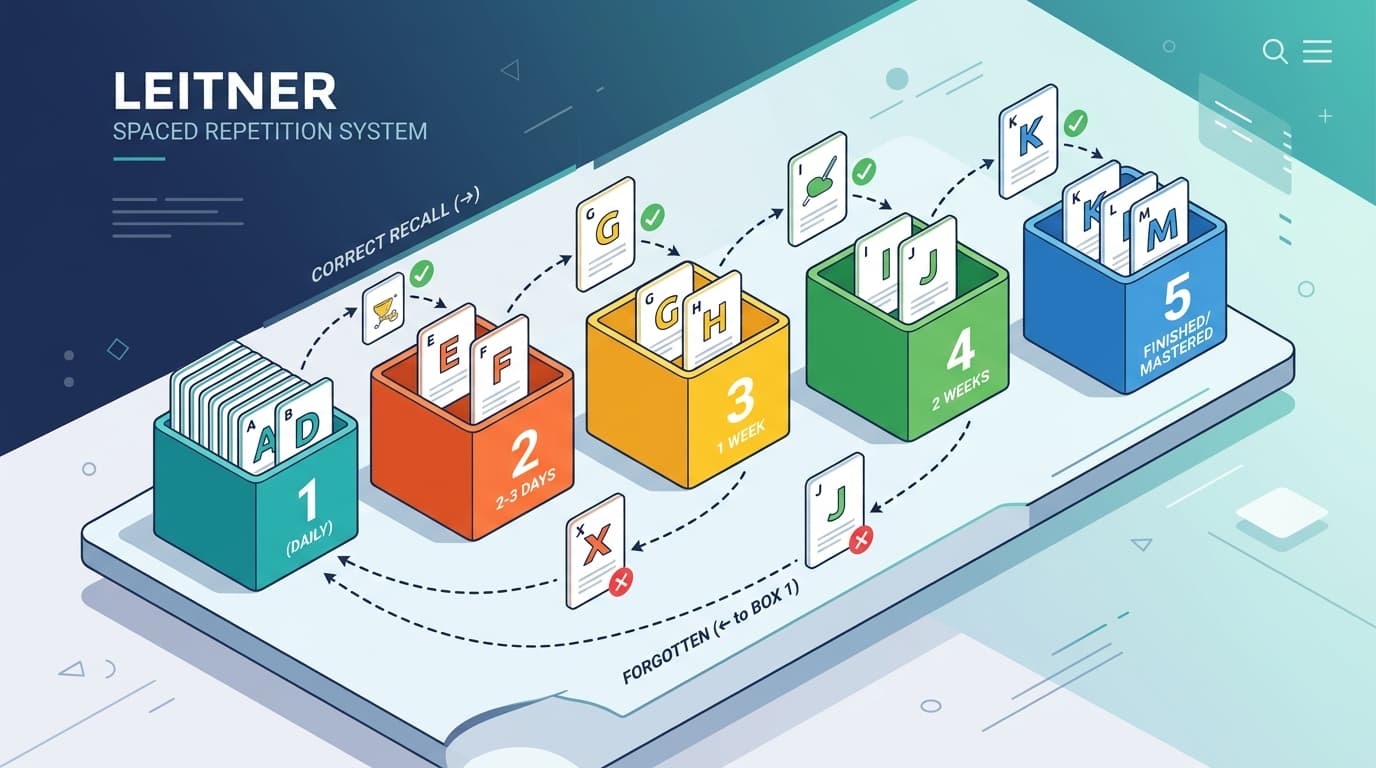
Whether you're targeting HSK 2.0 or 3.0, the fastest path is the same: learn the most useful words first, practice them in context, and let spaced repetition do the heavy lifting.
References: - Chinese Ministry of Education (2021). Chinese Proficiency Grading Standards for International Chinese Language Education - Hanban/Confucius Institute Headquarters. HSK Test Syllabus (Levels 1-6)