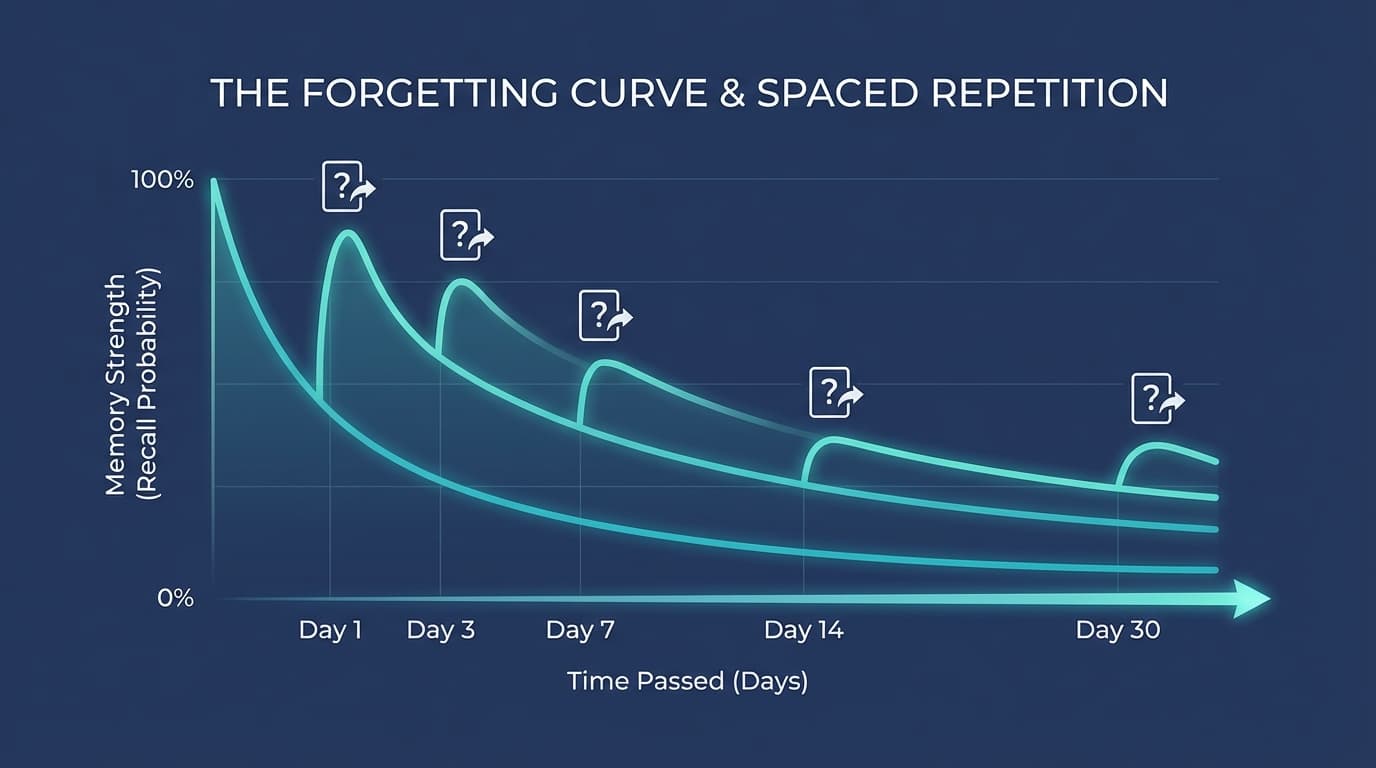
Here's a study hack that sounds too simple to be true: when you review something matters more than how long you study it.
Most learners assume that progress comes from studying harder or studying longer. But decades of cognitive psychology research point to a different answer: the most effective thing you can do is space out your reviews over time.
This principle — called the spacing effect — is the foundation of spaced repetition systems, and it's one of the most reliable findings in all of learning science.
The Forgetting Curve: Why We Forget So Fast
In the 1880s, German psychologist Hermann Ebbinghaus ran one of the first controlled memory experiments. He memorized lists of nonsense syllables and tested himself at different intervals to see how quickly he forgot them.
The results were sobering. Without review:
- Most new information fades significantly within 24 hours
- Within a few days, the majority is gone
But Ebbinghaus also discovered something encouraging: each time you successfully recall something, the forgetting slows down. The memory gets a little more durable each time.
This is the key insight that makes spaced repetition work. You don't fight forgetting by cramming harder — you fight it by reviewing at the right moments.
The Spacing Effect: Why Distributed Practice Wins
Later researchers confirmed and expanded Ebbinghaus's work. The core finding, now called the spacing effect, is simple: information sticks better when reviews are spread out over time rather than crammed into a single session.
In 2006, Cepeda and colleagues analyzed over 250 studies on spaced learning. The conclusion was overwhelming: spaced practice consistently produces stronger long-term retention than massed practice (cramming).
This isn't a marginal improvement. In many studies, spaced learners retained 200–300% more information at long delays compared to crammers who studied the same material for the same total time.
Why Spacing Works: Three Mechanisms
1. Retrieval practice strengthens memory. Every time you actively recall something (rather than passively re-reading it), the neural pathways get stronger. Roediger & Karpicke (2006) showed that testing yourself on material produces better retention than studying it again.
2. Desirable difficulty. Psychologist Robert Bjork coined this term for a counterintuitive finding: a little bit of forgetting between reviews actually helps learning. When recall feels slightly effortful, the resulting memory trace is stronger. If something is too easy to recall, the review didn't help much.
3. Sleep and consolidation. Spacing reviews across days allows the brain to consolidate memories during sleep. This biological process strengthens long-term storage in ways that same-day cramming simply can't replicate.
Cramming vs. Spacing: A Tale of Two Learners
Learner A sits down on Sunday and drills 100 Chinese vocabulary words for 3 hours straight. By the end of the session, she knows all of them. She feels great.
Learner B studies the same 100 words, but spreads the reviews across 10 days — 20 minutes per session. On any given day, he can't recall all of them. It feels slower.
Fast forward two weeks. Learner A has forgotten most of the words. Learner B still knows 80–90% of them.
This pattern appears in study after study. Cramming creates an illusion of mastery that evaporates quickly. Spacing creates durable knowledge that lasts.
How Spaced Repetition Systems Work
Modern SRS tools automate the spacing schedule. Instead of you deciding when to review, the system tracks your performance and adapts:
- 1.A new word is introduced.
- 2.You're tested on it later (minutes or hours).
- 3.If you recall it correctly, the next review is scheduled further out — maybe tomorrow.
- 4.If you recall it again, the gap grows — 3 days, then a week, then a month.
- 5.If you forget, the gap shrinks back to a shorter interval.
Over time, well-known words are reviewed rarely (saving time), while difficult words get more attention. The system focuses your effort where it's needed most.
The Leitner System: A Physical Model
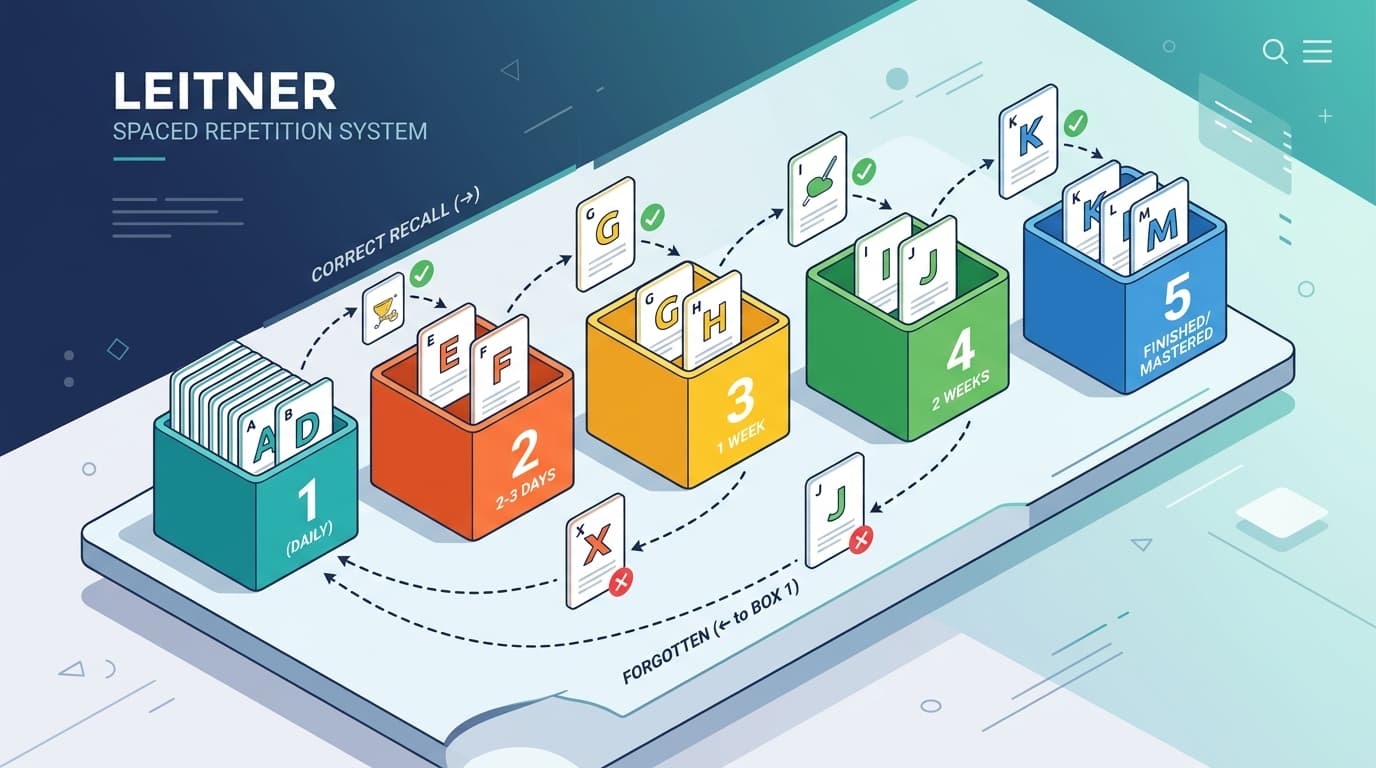
Before digital SRS tools, German science journalist Sebastian Leitner proposed a simple physical system using boxes:
- Box 1: New and difficult words (reviewed daily)
- Box 2: Words you got right once (reviewed every few days)
- Box 3: Getting stronger (reviewed weekly)
- Box 4: Well-known (reviewed every two weeks)
- Box 5: Mastered (reviewed monthly)
Correct answers move a word forward. Wrong answers send it back to Box 1. The beauty is simplicity: you spend most of your time on what you don't know, and almost no time on what you do.
Why This Is Perfect for Language Learning
Vocabulary acquisition is one of the best use cases for spaced repetition because:
- Languages contain thousands of discrete items that must be memorized
- High-frequency words need to be recalled instantly (not after 10 seconds of thinking)
- Learners have limited daily study time, so efficiency matters enormously
When you combine spaced repetition with frequency-based vocabulary — learning the most common words first and retaining them with optimized review timing — the compound effect is significant.
Dunlosky et al. (2013) reviewed the ten most popular study techniques and ranked spaced practice among the most effective and reliable methods across all learning contexts.
Best Practices for Using SRS
Learn words in sentences, not isolation. Context helps memory and teaches you grammar patterns for free.
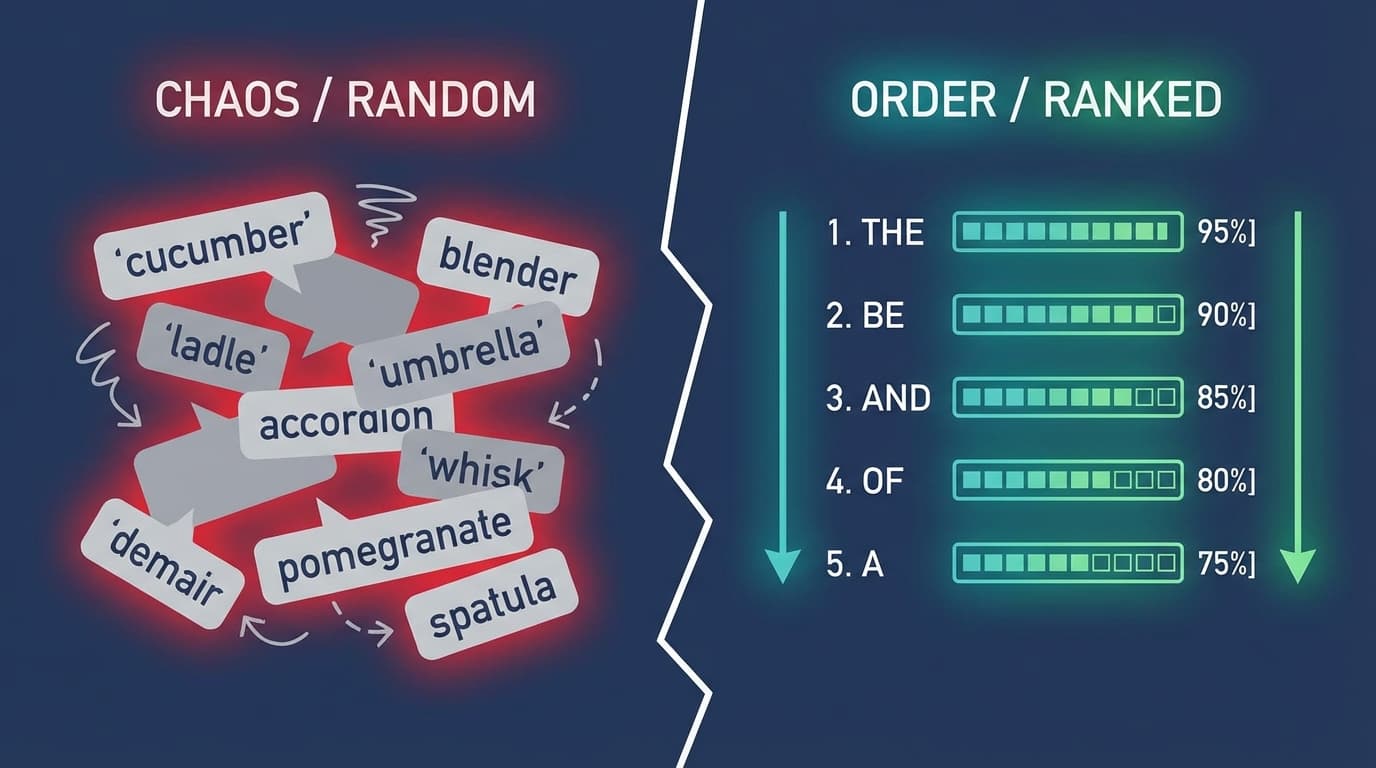
Start with high-frequency vocabulary. Every retained word should be one you'll actually encounter. Don't waste SRS cycles on rare words.
Keep sessions short and consistent. 15–20 minutes daily beats 2 hours on weekends. Regularity is everything.
Trust the system. It will feel wrong when easy words stop appearing. That's the system working — it's not forgetting them, it's freeing your time for what you actually need to practice.
How Getinsperium Uses Spaced Repetition
Getinsperium uses a 5-box Leitner system with built-in leech detection. Every word you learn enters Box 1 and progresses through to Box 5 as you demonstrate mastery.
If a word keeps slipping — if you keep getting it wrong despite multiple reviews — the system flags it as a "leech" and moves it to the Hard Deck for focused practice. No word falls through the cracks.
The AI Study Coach builds your daily session around your SRS data: it knows what's overdue, what's about to slip, and what you're ready to learn next. You just show up and start practicing.
References
- Ebbinghaus, H. (1885). Memory: A Contribution to Experimental Psychology.
- Cepeda, N. J., et al. (2006). Distributed practice in verbal recall tasks.
- Roediger, H. L., & Karpicke, J. D. (2006). Test-enhanced learning.
- Dunlosky, J., et al. (2013). Improving students' learning with effective learning techniques.
- Bjork, R. A. (1994). Memory and metamemory considerations in the training of human beings.